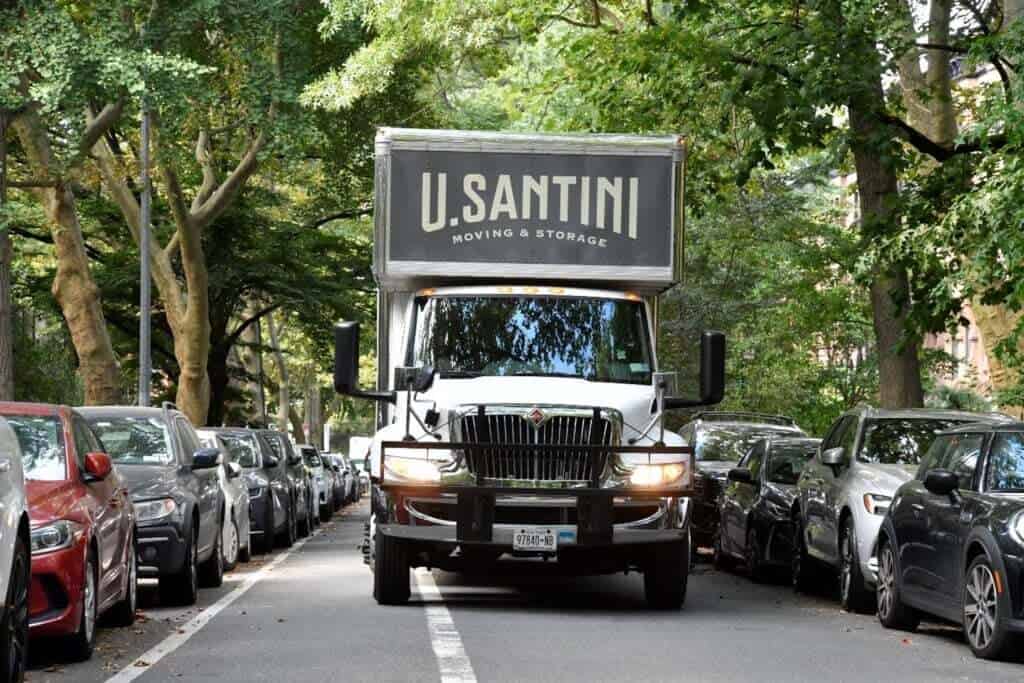

Moving Day: Where Can I Park in NYC?
If you wonder, “Where can I park in New York City, NY,” U.Santini Moving & Storage helps you understand where you car can find a spot.
Ask a real estate broker when the best time to move to NYC is, and they’ll point to a price chart and say “February.” Ask a college grad hunting for a roommate, and they’ll say “June.”
But ask a moving company, one that has hauled sofas up five-floor walk-ups in August heat and navigated icy brownstone stoops in January, and you get a different answer entirely.
At U. Santini Moving & Storage, we’ve seen the NYC rental market cycle 95 times. We know the “best” time depends on what you value more: your wallet or your sanity.
The 2025 rental market has shifted again. Between new lease laws and stabilizing rents, old rules don’t always apply. Here’s the definitive guide to timing your NYC move, from the people who actually do the heavy lifting.
If saving money is your priority, on both rent and moving costs, winter wins.
The rental advantage: Landlords get anxious in winter. Nobody wants to move when it’s 20 degrees outside, so this is when concessions appear: one month free, owner-paid broker fees, flexibility on lease terms. You might lock in a rate $200–$300 per month lower than the same unit would cost in July.
The moving advantage: Moving companies are seasonal businesses. Winter is our off-peak season, which means better availability and lower rates than the summer rush.
The trade-off: Inventory drops significantly. People don’t vacate apartments in winter unless they have to, so you’ll see roughly half the listings compared to summer. Logistics also slow down, snow narrows streets, and protecting floors from slush takes extra time and care.
If you have a specific wish list, say, a two-bedroom in Park Slope with laundry and proximity to the F train, summer is likely your only option.
The rental reality: This is peak season. Roughly 70% of NYC leases turn over between May and September. Everything hits the market at once, giving you maximum choice.
The trade-off: Competition is fierce. In 2025, desirable apartments still rent within hours. You need documents ready instantly, proof of income, references, checkbook in hand. Expect to pay full broker fees (typically 15% of annual rent) since landlords have no incentive to negotiate when ten applicants show up to every open house.
The moving reality: Every mover in the tri-state area books solid. If you need a June 30th or July 31st move date, plan to reserve your crew four to six weeks in advance.
For the strategic mover, spring and fall often deliver the best balance.
Inventory starts rising as people begin relocating, but without the bidding-war intensity of July. Weather cooperates, no heat stroke, no blizzards. And moving companies have manageable schedules, which means more flexibility and less stress.
September can be tricky if you’re moving into Manhattan (more on that below), but October and early November are often ideal: decent selection, motivated landlords eager to fill units before the holidays, and pleasant moving conditions.
Here’s the tip that generic real estate blogs miss: the specific date matters more than the season.
In New York City, roughly 80% of leases start on the 1st of the month. This creates a predictable bottleneck we call “First of the Month Chaos.”
The advantages compound quickly. Movers often have better availability and pricing on mid-month dates. Building elevators are wide open, so you can choose your preferred time slot. And your crew arrives fresh, not exhausted from two moves already that morning.
Two developments worth noting this year:
Gridlock Alert Days: If you’re moving into Manhattan, especially Midtown or near the tunnels, check the NYC DOT’s Gridlock Alert calendar. Moving during the UN General Assembly (September) or the holiday season (December) can double the time your crew spends sitting in traffic, which means higher costs and longer days.
Lease stability shifts: With Good Cause Eviction protections now affecting more market-rate apartments, tenants are staying put longer. Great deals and rent-stabilized units hit the market less frequently. If you find something excellent in a traditionally “slow” month like November, move on it. That apartment may not reappear in June.
Move in winter if you’re on a strict budget and flexible about options. You’ll save on rent and moving costs, but you’ll choose from a smaller pool.
Move in summer if you need a specific apartment type and you’re prepared to pay premium prices and act fast.
Move in shoulder season if you want the best balance of selection, pricing, and sanity.
Move mid-month regardless of season if you want the smoothest, most cost-effective experience.
No matter when you decide to relocate, the logistics of New York City remain constant: narrow streets, strict building rules, and tight time windows.
Whether it’s a snowy Tuesday in February or a sweltering Friday in July, U. Santini has been navigating these challenges since 1930. [Get a free quote for your upcoming move today.

If you wonder, “Where can I park in New York City, NY,” U.Santini Moving & Storage helps you understand where you car can find a spot.

Use U.Santini Inc. Moving & Storage's comprehensive guide to learn how to hire a moving company. Trust our professionals to get the job done.