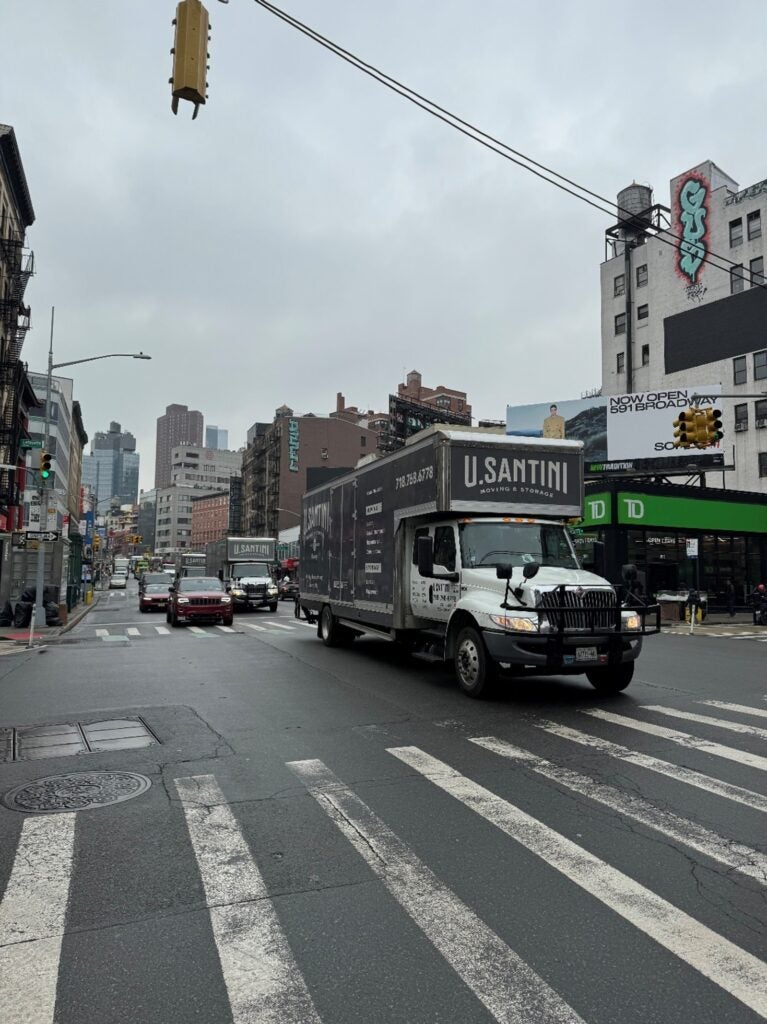
The Brooklyn-to-Queens move is one of the most common relocations in New York City, and one of the most underestimated. The distance looks short on a map, maybe 30 minutes in a car on a good day. But two boroughs with distinct personalities, different street grids, different housing stock, and different everyday rhythms are involved. If you’re making this move, here’s what to actually expect: logistically, financially, and practically.
Why People Make the Move
The math tends to drive the decision. Median home prices in Queens are still under $750K in most neighborhoods, while in Brooklyn many areas already exceed $1.2M, leaving less room for long-term gains. Queens also offers larger lots and multi-family zoning in districts like Flushing and Bayside.
Day-to-day costs follow the same pattern. Queens grocery prices beat Brooklyn averages consistently, in Jackson Heights, a gallon of milk runs about $3.60, compared to closer to $4.20 in Williamsburg. At local supermarkets in Queens, staples consistently come in cheaper than equivalent Brooklyn stores.
The commute story is also strong for Queens. Neighborhoods like Astoria, Jackson Heights, and Forest Hills sit near major subway hubs, the N, E, F, and 7 lines, offering direct rides to Midtown in under 35 minutes. For anyone commuting to Midtown for work, the transit math often favors Queens significantly.
What to Know About the Move Itself
Brooklyn-to-Queens moves typically cost $600–$1,800 depending on apartment size, distance, and specific neighborhoods. The move itself is usually 30–90 minutes of driving depending on your specific neighborhoods.
The logistics differ in ways worth preparing for. Brooklyn’s dense neighborhoods often require careful timing and parking coordination, while Queens moves benefit from better vehicle access but may involve longer distances between apartments and trucks. Brooklyn moves often focus on protecting narrow hallways and managing street parking, while Queens relocations can accommodate larger trucks but may sometimes require longer carries from parking areas.
In Brooklyn, brownstone corridors like Carroll Gardens or Fort Greene feature stoops and narrow streets that dominate. Alternate-side parking rules can force a truck relocation mid-move. In Queens, Astoria and Sunnyside often offer better curb access, but school zones and bike lanes still require attention.
If you’re moving out of a professionally managed building in Brooklyn, in Downtown Brooklyn, Williamsburg, or Fort Greene, you’ll almost certainly need a Certificate of Insurance (COI) from your mover. Always verify DOT licensing, insurance, physical business addresses, and online reviews before booking. Never pay large deposits or full payment before services are complete.
Plan for unexpected delays. Brooklyn-to-Queens moves almost always take longer than estimated due to traffic, parking challenges, and building complications. Build a 2–3 hour buffer into your schedule so you’re not stressed if the move extends beyond the estimated window.
Choosing Your Queens Neighborhood
Queens is not a single experience. Where you land shapes your daily life completely, so the neighborhood decision deserves the same research as the move logistics.
Astoria remains the most popular landing spot for Brooklynites. It has some of the best Greek food in the hemisphere, a stunning park along the East River, and a true community feel. It’s less “trendy” and more “homey”, and transit to Midtown is about 20 minutes.
Long Island City (LIC) is the closest Queens neighborhood to Brooklyn geographically and gives you Manhattan skyline views from the East River waterfront. It’s heavily high-rise-focused, with Queens high-rises enforcing stricter loading dock schedules, something to confirm well in advance when booking your move.
Jackson Heights and Sunnyside offer more space at lower price points than either Astoria or LIC, with extremely diverse food scenes and solid 7-train access to Midtown. Forest Hills and Rego Park lean residential and family-oriented, with the E and F trains providing express access to Manhattan.
The Lifestyle Shift
Brooklyn has a particular identity, dense, design-forward, self-consciously cool in many of its most popular neighborhoods. Queens is different. Logistics in Queens are generally smoother than in Brooklyn, many buildings are wider, parking for moving trucks is slightly easier to secure, and the pace of neighborhood life runs at a different frequency.
Queens neighborhoods are more spread out than Brooklyn, you’ll walk farther for daily errands and need to discover transportation options beyond your primary subway line, including bus routes that connect neighborhoods the subway doesn’t reach directly.
Most Brooklyn transplants find the adjustment is quicker than expected once they’re settled. The financial breathing room tends to accelerate that process.
Practical Checklist
Book movers 3–4 weeks out minimum, longer during May through September. Confirm COI requirements at both buildings before your move date. Check loading dock or parking restrictions at your Queens destination, particularly if you’re moving into a high-rise. Do a route walk-through of both properties before moving day, stairwells, elevator reservations, building access, so the crew has no surprises. And give the new neighborhood a few weeks before drawing conclusions. Queens rewards patience.
U Santini Moving & Storage handles Brooklyn-to-Queens relocations daily, with the borough-specific knowledge that makes the difference between a move that runs on time and one that hits every possible snag. Get a written estimate based on both addresses before committing to a date.