Moving costs in New York are calculated in hours, labor, and truck space. Which means paying a crew to haul a loveseat you never liked into an apartment that’s 200 square feet smaller makes zero sense. Downsizing is step one of any NYC move, everything you donate is weight you don’t carry, cubic feet you don’t pay for, and floor space you don’t lose at the other end. Here’s where it can all go, along with the rules that catch people off guard.
Furniture and Large Items
Three organizations handle the bulk of furniture donations in the city. Housing Works accepts furniture in clean, sellable condition at its thrift shops and offers scheduled pickups for larger pieces; proceeds fund its healthcare and housing services. The Salvation Army runs donation centers across the boroughs and schedules furniture pickups online. Habitat for Humanity ReStore takes furniture, cabinetry, working appliances, and building materials, reselling them to fund affordable housing work.
Now the fine print, because it matters in this city: these organizations are strict. Ripped, stained, or pet-damaged upholstery gets rejected. And this is the NYC-specific part, items coming from a building with a bed bug history will be refused outright. Drivers inspect at the door and will decline a piece on the spot, so be honest when you book, send photos if asked, and schedule the pickup at least a week before your move date. If a piece gets turned away, you still have time for plan B: curbside disposal under DSNY rules (mattresses and box springs must be sealed in plastic bags, or the building can be fined) or a paid junk removal service.
Clothing and Household Goods
Clothing is the easy category. St. Mary’s Clothing Drive and Goodwill drop-off locations take wearable clothes and general household goods, no appointment needed. For faster turnaround, post items to your neighborhood Buy Nothing group on Facebook or to Nextdoor, in most NYC neighborhoods, a decent lamp or a box of kitchenware posted at noon is off your stoop by dinner. The classic stoop giveaway still works too for smaller goods: a clear “FREE” sign, a dry day, and gravity does the rest. For clothes too worn to donate, look for a textile recycling drop-off rather than sending them to the trash.
Unopened Food
The pantry is the most-forgotten shelf in any move, and the least worth transporting. Unopened, unexpired, shelf-stable food (canned goods, pasta, rice, peanut butter, cereal) is exactly what local food pantries and community fridges need year-round. Move For Hunger, a national nonprofit built around precisely this moment, works to rescue non-perishable food from households in the middle of relocating and route it to food banks. Check what your local pantry accepts, box the eligible items separately, and drop them off before moving week. Do not pay to move six cans of chickpeas across the borough only to throw them out in a year.
Move What’s Left, Nothing More
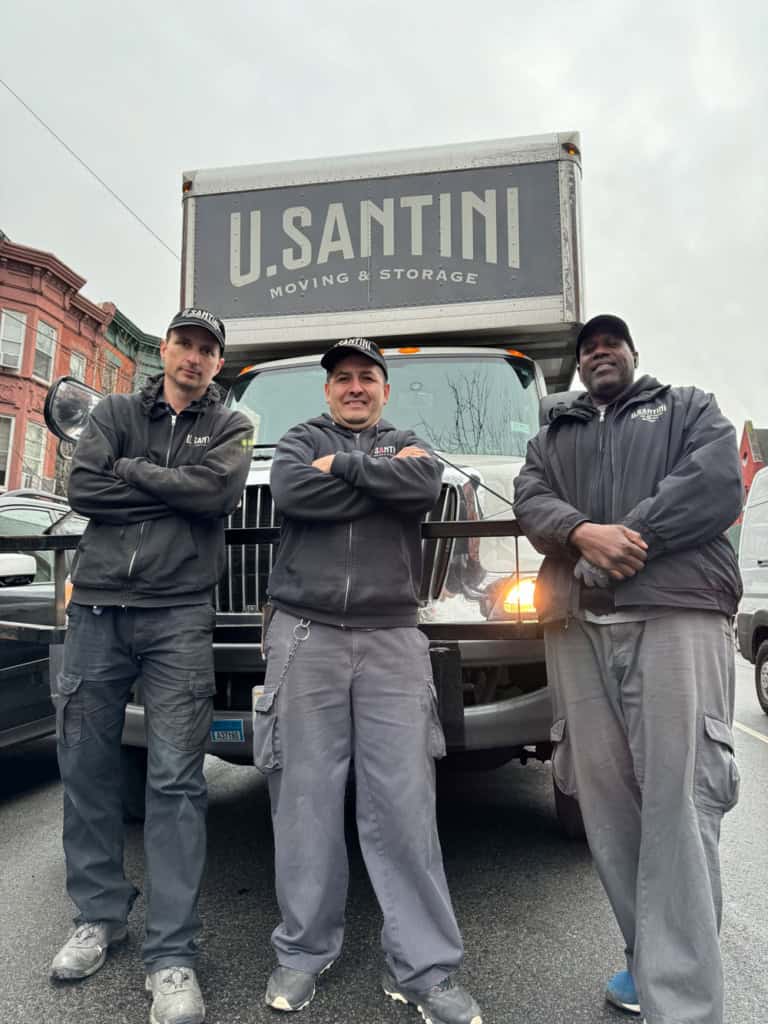
Once the apartment is purged, the move itself gets smaller, faster, and cheaper: fewer boxes, fewer labor hours, less truck. That’s when U Santini Moving & Storage takes over; packing, protecting, and relocating the inventory that actually earned its place in the new apartment. Request a quote once the donation runs are done, and the estimate will reflect the leaner load.