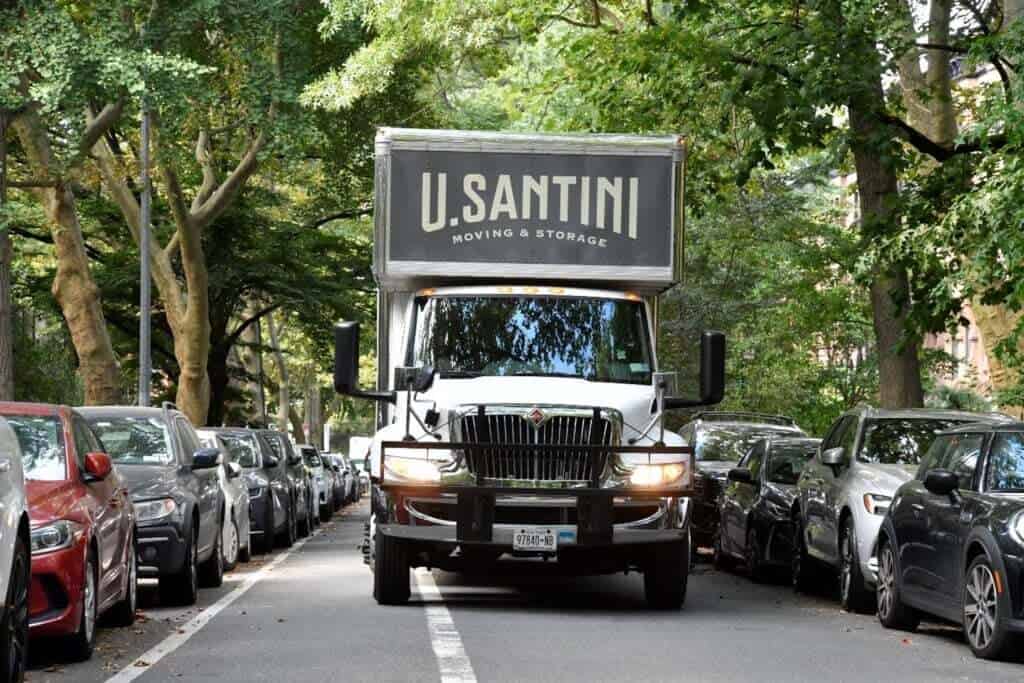

Creativity requires the right environment, and sometimes that means packing up your workshop and heading to a new neighborhood. Whether you are transitioning a ceramics studio out of Bushwick, moving a woodworking shop to Gowanus, or relocating a tech-driven maker space to the Brooklyn Navy Yard, transporting a creative business involves highly specific challenges.
Unlike a standard residential move, you are dealing with sensitive equipment, raw materials, and irreplaceable works in progress. At U Santini Moving & Storage, we have handled complex Brooklyn relocations for decades. Here is how to approach moving your studio with precision and care.
1. Audit and Categorize Your Inventory
Before a single box is packed, you need a comprehensive inventory. Artists and makers accumulate a massive volume of specialized supplies, and not everything can or should go onto a standard moving truck.
-
Hazardous Materials: Moving regulations strictly prohibit the transport of certain combustible or hazardous materials in moving trucks. Inventory your solvents, oil mediums, aerosol sprays, resins, and specialized cleaning chemicals. You will need to transport these yourself in an approved manner or safely dispose of them before the move.
-
Heavy Machinery: Take stock of equipment that requires professional dismantling. Kilns, printing presses, CNC routers, table saws, and industrial sewing machines often require specialized lifting equipment and careful calibration once reinstalled.
-
Works in Progress: Finished art is fragile, but wet oil paintings, uncured ceramics, or delicate maquettes are highly vulnerable. Plan a specific, climate-controlled transit strategy for these items.
2. Specialized Packing Techniques for Art and Equipment
Standard cardboard boxes and packing paper are insufficient for a working studio. Protecting your livelihood requires professional-grade materials and techniques.
2D Art and Canvases
Never let bubble wrap directly touch a painted surface, as it can leave permanent impressions or adhere to the varnish. Wrap canvases and framed pieces in glassine papera smooth, acid-free material that prevents smudging and sticking. Once wrapped in glassine, the piece can be safely insulated with bubble wrap and secured in a rigid, custom-sized mirror or picture box.
3D Art, Ceramics, and Sculpture
For fragile, irregular shapes, custom crating is often the safest route. If boxing them, use double-walled corrugated boxes. Line the bottom with shock-absorbing foam, and wrap the piece heavily in acid-free tissue paper before filling the remaining voids with anti-static packing peanuts. The item should not shift at all when the box is gently shaken.
Technology and Maker Tools
For 3D printers, laser cutters, and delicate electronics, remove all loose components (like filament spools or cutting beds). Secure the moving axes with zip ties or painter’s tape to prevent the laser heads or extruders from violently shifting during transit. Always use original packaging if you still have it; otherwise, utilize heavy-duty bins with anti-static foam inserts.
3. Navigating Brooklyn’s Unique Industrial Architecture
Brooklyn’s charm lies in its converted industrial spaces, but these buildings present major logistical hurdles on moving day.
-
Freight Elevators: Most Brooklyn loft buildings and industrial complexes require you to reserve the freight elevator well in advance. Check the weight limits of the elevator against your heaviest equipment, and confirm the exact hours of operation.
-
Loading Docks and Clearances: Confirm that your new building’s loading dock can accommodate a commercial moving truck. In neighborhoods with narrow streets or limited parking, you may need to secure temporary parking permits for the truck.
-
Doorway Measurements: Measure every doorway, stairwell, and tight corner at both your origin and destination. A printing press might have fit into your current space before a hallway was renovated; never assume it will easily slide into the new one.
4. Partnering with the Right Moving Experts
Relocating your creative business is not the time for a DIY approach or relying on friends with a pickup truck. A single dropped box can mean the loss of a gallery-ready collection or the destruction of expensive machinery.
U Santini Moving & Storage has been serving Brooklyn since 1930. We understand the specific architecture of the borough, the intricacies of commercial building management, and the careful handling required for high-value, delicate items. When you hire U Santini, you are partnering with seasoned professionals who respect the time, labor, and financial investment tied up in your equipment and art.
Ready to move your studio? Contact U Santini Moving & Storage today to schedule a comprehensive on-site consultation and ensure your creative workspace arrives intact and ready for your next project.
Related Posts

Is Subletting Legal in NYC?
U.Santini Moving & Storage is well-versed in the details of living in New York City, NY, including answering “Is subletting legal in NYC?”