Storage in Brooklyn is not a one-size-fits-all decision. Whether you are downsizing from a Park Slope brownstone, staging a home for sale, or simply running out of closet space in a Williamsburg apartment, renting the right storage unit requires more thought than most people expect.
This guide covers everything you need to know before signing a storage rental agreement in Brooklyn, from choosing the right size to understanding what most facilities will not tell you upfront.
Determine What You Actually Need to Store
Start with a physical inventory. Walk through your home and identify everything you plan to put into storage. Be honest about volume. Most people underestimate how much space their belongings take up when packed. Furniture, in particular, takes up more storage square footage than it appears to in a room.
As a general reference: a 5×5 unit holds the contents of a small closet; a 10×10 handles a one-bedroom apartment’s worth of furniture and boxes; a 10×20 is appropriate for two to three bedrooms. If you are unsure, size up rather than down. The cost difference between adjacent unit sizes is usually modest, but scrambling for a larger unit mid-move is expensive and disruptive.
Climate Control: When It Matters and When It Doesn’t
Brooklyn’s summers are hot and humid. Its winters are cold. Temperature and humidity fluctuations damage wood furniture, electronics, artwork, photographs, clothing, and musical instruments over time. If you are storing any of these categories, climate-controlled storage is worth the additional cost.
Standard units without climate control are suitable for metal tools, outdoor equipment, vehicles, and items that are not sensitive to temperature or moisture. If you are not sure whether your items qualify, climate control is the safer default.
Access Hours and Location Matter More Than You Think
A storage facility on the edge of Brooklyn that requires a 40-minute round trip every time you need something will quickly become a source of frustration. When evaluating facilities, consider how often you will realistically need access, whether the facility has extended hours or 24-hour access, and how easy it is to reach by your usual transportation method.
Facilities in central Brooklyn neighborhoods tend to charge a premium for convenience, but if you need frequent access, the proximity savings in time and transportation can justify the cost.
Understand the Full Cost Before You Commit
The advertised monthly rate is rarely the complete picture. Storage facilities commonly charge administrative fees upon move-in, require purchase of their own lock or a specific lock type, and may bill for mandatory insurance if you cannot prove coverage through your renter’s or homeowner’s policy. Ask for a complete breakdown of all first-month costs and ongoing monthly charges before you sign.
Also confirm the notice period required to vacate. Many facilities require 30 days’ written notice. Missing this window can result in being charged for an additional month even after you have cleared out your unit.
Security Features to Look For
Not all storage facilities in Brooklyn maintain the same security standards. At minimum, look for individual unit alarms, perimeter fencing, 24-hour camera surveillance, and keypad access control. Ask who has access to the facility after hours and whether there is on-site staff during all operating hours.
Moving Company Storage vs. Self-Storage Facilities
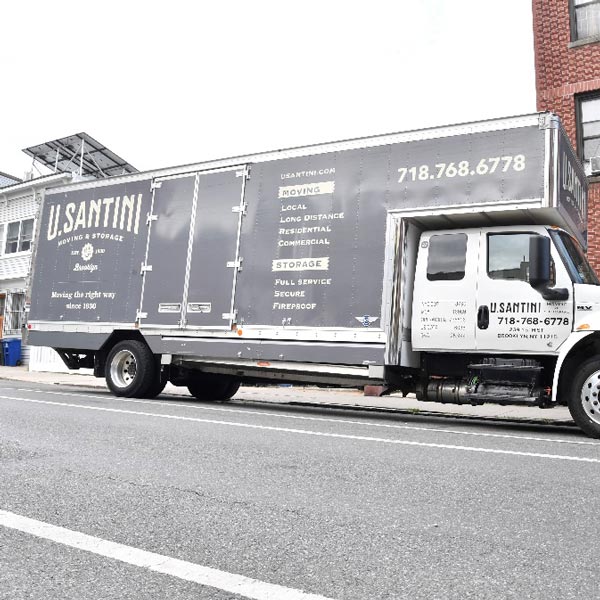
Many Brooklyn moving companies, including U.Santini Moving & Storage, offer storage as part of their service. This can be a significant advantage when you are in the middle of a move and need a flexible, coordinated solution. Rather than renting a truck, loading a unit yourself, and managing the logistics separately, a moving company with integrated storage can handle the entire process in a single coordinated effort.
This option is especially practical for short-term storage during a home sale, renovation, or between-lease gap. Contact U.Santini Moving & Storage to discuss your storage needs and get a clear quote for a solution that fits your timeline.