

Learn How to Hire a Moving Company in New York City
Use U.Santini Inc. Moving & Storage's comprehensive guide to learn how to hire a moving company. Trust our professionals to get the job done.
Moving expenses can add up quickly, especially in New York City, where every dollar counts. While you’re budgeting for your professional moving company, utility deposits, and first month’s rent, one area where you can save significant money is on packing supplies.
At U.Santini Moving & Storage, we’ve served the NYC community for over 95 years, and we know that finding free moving boxes is one of the smartest ways to cut costs without sacrificing quality.
In this guide, we’ll show you exactly where to find sturdy, reliable moving boxes for free throughout New York City, and how to make sure they’re strong enough to protect your belongings during your move.
New moving boxes can cost anywhere from $1 to $5 each, and the average move requires 50 to 100 boxes. That’s potentially $500 in boxes alone before you’ve even purchased packing tape, bubble wrap, or other supplies. By sourcing free boxes strategically, you can redirect those savings toward more important aspects of your move, like hiring experienced movers who know how to navigate NYC’s unique challenges.
The key is knowing where to look and what to look for in a quality box. Let’s dive into the best places to find free moving boxes in New York City.
Grocery stores are the gold standard for free moving boxes. Stores like Trader Joe’s, Whole Foods, Morton Williams, and Key Food receive daily shipments of produce, canned goods, and other products, all packed in sturdy cardboard boxes.
Pro tip: Apple and banana boxes from the produce section are particularly valuable. They’re thick, reinforced to handle weight, and sized perfectly for dishes, glassware, and other fragile items. Visit early in the morning (around 7-8 AM) or late evening (around 5-7 PM) when shipments are being unpacked. Ask a manager or produce clerk if you can take boxes before they’re broken down for recycling.
Popular NYC grocery chains to check:
Liquor stores are a hidden gem for moving boxes. These boxes are designed to safely transport heavy glass bottles, which means they’re incredibly durable with reinforced corners and thick cardboard. Many even come with built-in dividers, perfect for packing wine glasses, vases, or other breakables.
Visit shortly after morning deliveries (typically between 9-11 AM) when boxes are most plentiful. Most liquor store managers are happy to give away boxes rather than deal with disposal. Just be aware that some boxes may have staples instead of glue, so check for any sharp edges.
Bookstores like Strand, McNally Jackson, and Barnes & Noble receive regular shipments in compact, sturdy boxes designed to hold heavy books. These boxes are ideal for packing books, records, kitchen items, or other dense belongings. The smaller size prevents you from overpacking and creating boxes too heavy to lift safely.
Call ahead and ask when they receive shipments, then offer to pick up boxes before they’re recycled.
Staples, Office Depot, and FedEx Office locations receive shipments of printer paper, file folders, and supplies in durable boxes with handles and lids. These paper boxes are perfectly sized for books, files, office supplies, or kitchenware. Visit during restocking days (usually mid-week) and politely ask staff if they have extra boxes available.
CVS, Walgreens, Duane Reade, and Rite Aid locations throughout NYC receive daily deliveries. These boxes tend to be medium-sized and clean, great for clothes, linens, bathroom items, and non-fragile belongings. Stop by in the morning when shipments arrive and ask the manager if they have boxes to spare.
Restaurants receive regular deliveries of produce, canned goods, and supplies, though be cautious about food odors. Coffee shops get beans, syrups, and supplies in clean, sturdy boxes. These can work well for pantry items, cleaning supplies, or garage/basement belongings. Avoid using food-scented boxes for clothes or bedding.
Stores like Target, Walmart, Best Buy, and Home Depot process massive shipments daily. These locations often have boxes ranging from small electronics packaging to large appliance boxes. For large items like lampshades, bedding, or winter coats, appliance boxes are perfect. Visit the customer service and ask when you can pick up boxes. Many stores designate specific times for box pickup.
Facebook Marketplace is a goldmine for free moving boxes. Search for “free moving boxes” or “free packing supplies” and your neighborhood (e.g., “free boxes Upper East Side”). Join local community groups like “Buy Nothing Manhattan” or neighborhood-specific groups where members regularly offer boxes after their moves.
Set up alerts for new listings, and be ready to respond quickly. Good boxes go fast in NYC.
Check Craigslist’s “Free” section daily under “materials” or search “moving boxes.” Post a “wanted” ad in your specific borough stating when and where you can pick up boxes. Many New Yorkers are happy to have someone take boxes off their hands after a move, saving them the disposal hassle.
Nextdoor connects you with neighbors in your immediate area. Post a request for moving boxes, specifying when you need them and how many. The hyperlocal nature makes pickup convenient, and neighbors often save boxes for each other as a community courtesy.
U-Haul offers a free Customer Connect box exchange program where people can list used boxes for free or for a cheap price. Visit their website, enter your NYC zip code, and browse available boxes. You can often find specialty boxes like wardrobe boxes or dish packs that are harder to source elsewhere.
The Buy Nothing Project operates through Facebook groups organized by neighborhood. These groups promote giving and receiving items for free within your community. Search for your specific NYC neighborhood’s Buy Nothing group and post a request for moving boxes.
Moving in New York City has unique considerations that affect how you source and transport boxes:
Building Regulations: Many NYC apartment buildings have strict moving times and elevator reservations. Once you secure boxes, store them in your apartment rather than hallways or common areas where they may be removed.
Transportation Limitations: Without a car, transporting large quantities of boxes can be challenging. Consider:
Storage Space: NYC apartments are notoriously small. Start collecting boxes 3-4 weeks before your move and store them flat under beds or in closets. Don’t collect too early, or they’ll take over your living space.
Timing Your Search: NYC moves typically happen on the first or last day of the month. Search for free boxes during these peak times when people who have just moved are offloading their supplies.
Not all free boxes are created equal. Here’s how to ensure you’re getting boxes that will protect your belongings:
Structural Integrity: Press gently on the box. It should feel firm, not soft or sagging. Check corners and edges for tears or weak spots.
Clean and Dry: Avoid boxes with stains, moisture damage, or strong odors. Check for any signs of pests or infestations.
Appropriate Size: Small boxes for heavy items (books, dishes), medium boxes for mixed items, and large boxes only for light, bulky items (pillows, linens).
Intact Flaps: All four bottom flaps should be present and in good condition for proper closure and stability.
Reinforced Bottoms: Look for double-walled boxes or plan to reinforce single-walled boxes with extra tape.
While free boxes are great for most items, certain situations call for purchased boxes:
Fragile or Valuable Items: Specialty dish packs with dividers, TV boxes, or mirror boxes provide better protection for expensive items.
Long-Distance or Storage Moves: If items will be in boxes for extended periods, new boxes with guaranteed structural integrity are worth the investment.
Liability Considerations: Some professional moving companies have insurance restrictions on the use of used boxes. Check with your movers before packing valuable items in free boxes.
Your success in getting free boxes often depends on how you ask:
In Person: “Hi! I’m moving soon and wondered if you have any empty boxes you’re planning to recycle? I’d be happy to take them off your hands.”
Online Posts: “Moving next week in [Neighborhood]. Looking for clean, sturdy moving boxes. Happy to pick up at your convenience. Thank you!”
Be Flexible: Offer to pick up boxes at times convenient for the business, even if it means multiple trips.
Show Gratitude: Always thank people, whether they have boxes available or not. Building good relationships can mean they’ll save boxes for you in the future.
While hunting for boxes, don’t forget about other packing supplies you might find for free:
Once you’ve moved, pay it forward by offering your boxes to others:
Many NYC buildings have designated recycling days; check your building’s schedule to avoid sanitation fines for improper disposal.
Finding free boxes is a smart way to save money, but it’s just one piece of a successful move. At U.Santini Moving & Storage, we’ve been helping New Yorkers move since the 1930s. Our experienced crews know every NYC neighborhood, understand building regulations, and handle your belongings with the care they deserve.
Whether you’re moving within Manhattan, relocating to Brooklyn, or heading to the outer boroughs, we make moving easier. We provide:
While free boxes are great for budget-conscious moves, pairing them with professional moving services ensures your belongings arrive safely at your new home.
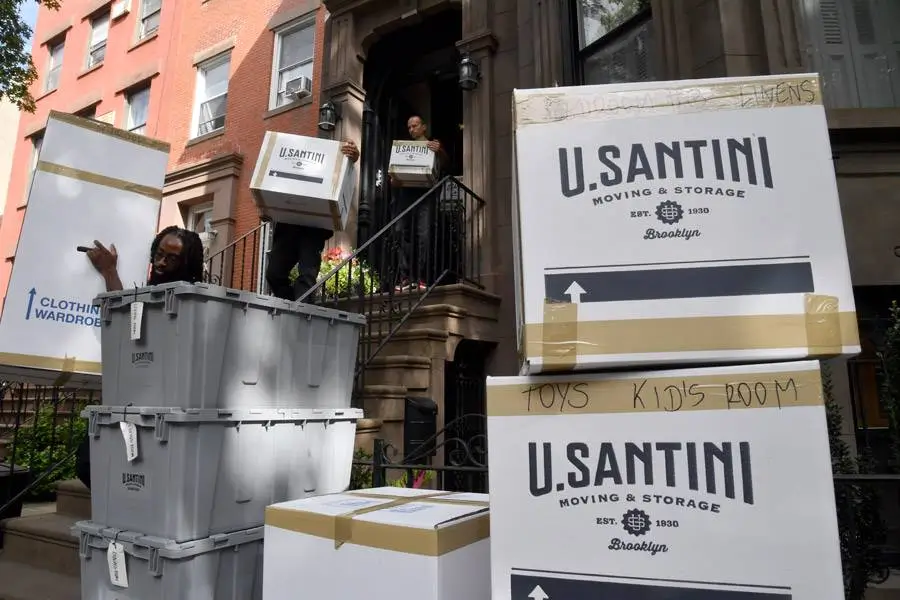
Use U.Santini Inc. Moving & Storage's comprehensive guide to learn how to hire a moving company. Trust our professionals to get the job done.
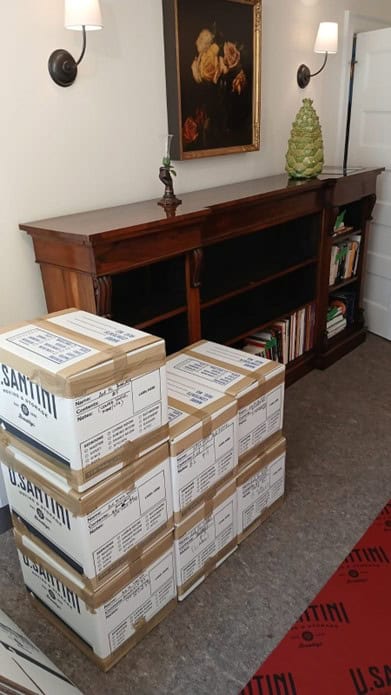
U.Santini Moving & Storage is well-versed in the details of living in New York City, NY, including answering “Is subletting legal in NYC?”
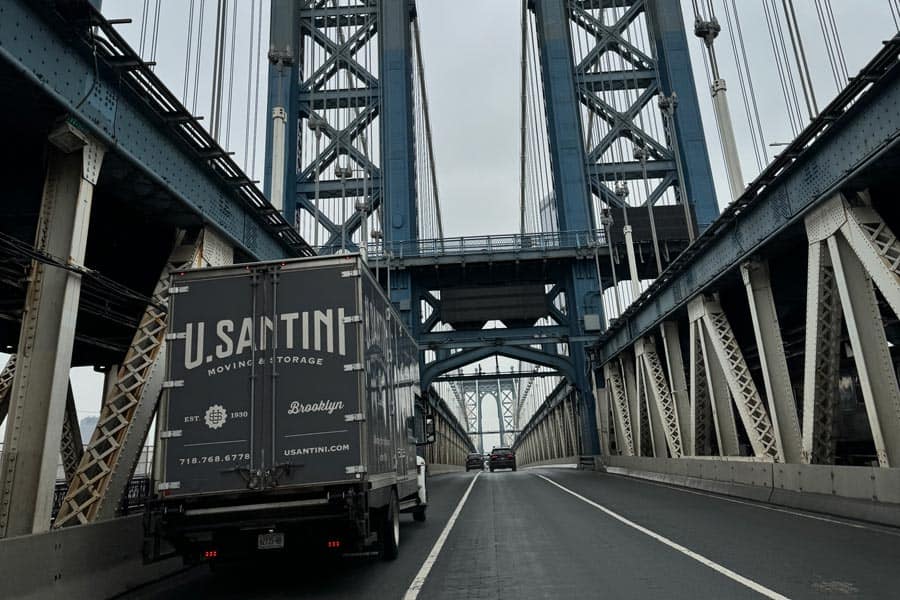
Is Manhattan safe to visit or live in? Get the facts on crime rates, safest neighborhoods, and practical safety tips from NYC locals who work there daily.