

Is Manhattan Safe? 2025 Safety Guide for Visitors & New Residents
Is Manhattan safe to visit or live in? Get the facts on crime rates, safest neighborhoods, and practical safety tips from NYC locals who work there daily.
Moving out for the first time is one of life’s most exciting milestones. Whether you’re leaving your parents’ house, transitioning from a college dorm, or simply embarking on a new adventure, that first move represents freedom, independence, and endless possibilities. However, it can also feel overwhelming if you don’t know where to start.
At U.Santini Moving & Storage, we’ve helped countless New Yorkers navigate their first moves for over 100 years. With our experience serving the NYC community, we understand the unique challenges first-time movers face.
This comprehensive guide will walk you through everything you need to know to make your first move as smooth and successful as possible.
The key to a successful first-time move starts with proper planning. Unlike experienced movers who have developed systems over multiple relocations, first-time movers benefit most from a structured approach that breaks down the process into manageable steps.
Start planning at least two to three months before your move date. This gives you ample time to handle all the details without feeling rushed. During the first month, focus on researching neighborhoods, apartment hunting, and understanding your budget.
The second month should involve signing your lease, ordering moving supplies, and beginning the decluttering process. Your final month is when the heavy lifting begins – literally and figuratively – with packing, hiring movers, and coordinating logistics.
One of the biggest mistakes first-time movers make is underestimating costs. Your moving budget should account for far more than just rent. Consider your security deposit (which can be up to six weeks’ rent in some cases), first and last month’s rent, application fees, moving company costs, packing supplies, utility deposits, furniture purchases, and an emergency fund for unexpected expenses.
A helpful rule of thumb is the 50-30-20 budgeting strategy: allocate 50% of your income to necessities (rent, utilities, groceries), 30% to discretionary spending, and 20% to savings. This approach helps ensure you’re not stretching yourself too thin in those critical first months of independent living.
Choosing where to live is perhaps the most important decision you’ll make during your first move. The right location can enhance your quality of life, while the wrong one can turn daily routines into frustrating ordeals.
When searching for your first apartment, proximity matters. Consider the distance to your workplace or school. A long commute may seem manageable at first, but it quickly becomes draining.
Look for neighborhoods with good public transportation access, especially in NYC, where car ownership isn’t always practical. Research the area’s safety by checking crime statistics and visiting at different times of day to get a feel for the neighborhood’s character.
Also, evaluate the surrounding amenities. Are there grocery stores, pharmacies, laundromats, and restaurants nearby? These conveniences become increasingly important when you’re managing your own household for the first time.
Before signing anything, read your lease agreement thoroughly. Pay attention to the lease duration, renewal terms, maintenance responsibilities, pet policies (if applicable), and any penalties for early termination. Don’t hesitate to ask questions, as landlords would rather clarify terms upfront than deal with misunderstandings later.
It’s also wise to document the apartment’s condition before moving in. Take photos or videos of any existing damage, and ensure your landlord acknowledges these issues in writing. This protects you when it’s time to get your security deposit back.
Packing for the first time often reveals just how much stuff you’ve accumulated over the years. The good news? This is the perfect opportunity to declutter and start fresh in your new space.
Begin by sorting your belongings into four categories: keep, donate, sell, and discard. Be honest about what you actually need and use. That guitar you haven’t touched in three years? The clothes that don’t fit anymore? Are the kitchen gadgets still in their boxes? These items take up valuable space and increase your moving costs.
Consider selling items you no longer need through online marketplaces or garage sales. The extra cash can go toward furnishing your new place or covering moving expenses. For items in good condition that you simply don’t need, donating to local charities not only helps others but also may provide tax deductions.
Don’t underestimate the importance of quality packing materials. You’ll need sturdy cardboard boxes in various sizes, packing tape (lots of it), bubble wrap for fragile items, packing paper or newsprint, permanent markers for labeling, and furniture blankets for protecting large items. While it’s tempting to skimp on supplies, investing in proper materials prevents damage to your belongings and makes unpacking significantly easier.
Moving day is where all your planning comes together. Whether you’re doing it yourself or hiring professional movers, preparation is key to a smooth transition.
While DIY moves might seem cost-effective, hiring professional movers often proves worthwhile, especially for first-time movers. Professional moving companies like us bring expertise, efficiency, and proper equipment to the job. Our experienced crews know how to safely navigate tight NYC apartment buildings, manage heavy furniture through narrow doorways, and protect your belongings during transport.
Professional movers also carry insurance, providing peace of mind that your possessions are protected. When you factor in truck rental costs, fuel, equipment rental (dollies, furniture pads), and the value of your time, not to mention the physical strain and injury risk, professional movers often represent the smarter investment.
If you’re hiring movers, confirm the details a few days before your move date. Verify the arrival time, review the inventory list, and clarify parking arrangements.
In NYC, you may need to reserve elevator access or obtain parking permits for the moving truck; handle these logistics well in advance.
On moving day, do a final walkthrough of your old place before the movers arrive. Check all closets, cabinets, drawers, and storage areas to ensure nothing’s been overlooked. Take photos documenting the condition in which you’re leaving the space.
Keep important documents, valuables, and essentials with you rather than loading them onto the moving truck. This includes IDs, lease documents, jewelry, laptops, and your essentials box.
When moving into your first apartment, it’s easy to either overspend on unnecessary items or forget crucial essentials. This curated checklist focuses on what you truly need to function comfortably from day one.
Your kitchen setup doesn’t need to be elaborate, but you’ll want the basics covered. Essential cookware includes at least one frying pan, a medium saucepan, a large pot or stockpot, a baking sheet, and mixing bowls in various sizes.
For utensils and tools, you’ll need: knives (at least a chef’s knife and paring knife), cutting board, spatula and wooden spoon, measuring cups and spoons, can opener and bottle opener, and colander. Don’t forget the basics like plates, bowls, glasses, mugs, and a full set of cutlery.
Small appliances that improve quality of life include a coffee maker or electric kettle, microwave, toaster, and, if budget allows, a slow cooker or Instant Pot for easy meal preparation.
Stock your pantry with staples: cooking oil, salt and pepper, basic spices, rice or pasta, canned goods, and coffee or tea. These foundation ingredients let you prepare simple meals without immediately needing a major grocery run.
Beyond your personal toiletries, your bathroom needs several essentials: a shower curtain and hooks (or liner if one is already installed), bath mat to prevent slips, toilet brush and plunger (trust us, you don’t want to need a plunger and not have one), hand soap and hand towels, bath towels (at least two sets), and a toilet paper holder if one isn’t built in.
Storage solutions like a shower caddy, medicine cabinet organizer, or under-sink storage help keep small bathrooms organized and functional.
Your living room doesn’t need to be Pinterest-perfect from day one. Start with comfortable seating, whether that’s a sofa, loveseat, or even floor cushions. A coffee table or side table provides surface space for drinks, remote controls, and books.
Lighting is crucial in apartments where overhead lighting may be inadequate. Invest in at least one floor lamp or table lamp. An area rug can help define the space and make it feel more homey, especially if you have hardwood floors.
A clean apartment is a comfortable apartment. Stock up on: a broom and dustpan, mop and bucket, vacuum cleaner (even a small handheld one helps), all-purpose cleaner, bathroom cleaner, dish soap and sponge, paper towels, trash bags, and rubber gloves.
Don’t overlook basic tools: a hammer, screwdriver set (both flathead and Phillips), measuring tape, level, and picture hanging kit. These tools help with everything from hanging artwork to assembling furniture.
Your first apartment checklist must include safety essentials: working smoke detectors and carbon monoxide detectors (test them upon moving in), a fire extinguisher, a basic first aid kit with bandages, antiseptic, and pain relievers, a flashlight and extra batteries, and emergency contact information posted visibly.
The work doesn’t end once you’ve moved in. These first weeks set the tone for your entire living experience in your new apartment.
Within your first day or two, prioritize these tasks: test all utilities (electricity, gas, water, heating, and cooling), check that all appliances function properly, locate your circuit breaker and shut-off valves, test your door locks and windows, and meet your neighbors if the opportunity arises.
Update your address with critical organizations and services: the post office (submit a change of address form), your employer, banks and credit card companies, insurance providers (health, auto, renters), your voter registration, and any subscription services.
Set up renters’ insurance if you haven’t already. Many landlords require it, and even if they don’t, it’s an affordable way to protect your belongings against theft, fire, or water damage.
Unpacking can feel overwhelming, so approach it strategically. Start with your bedroom; having a comfortable place to sleep makes everything else more manageable. Then tackle the bathroom and kitchen, since these rooms are essential for daily functioning.
Take your time with decorating. Hang a few favorite photos or artwork, add some houseplants, position furniture thoughtfully, and incorporate textiles like throw pillows or curtains. Small touches make a significant difference in how homey your space feels.
Moving within New York City presents unique challenges that first-time movers may not anticipate. Understanding these nuances helps prevent last-minute complications.
Many NYC apartment buildings have strict moving policies. Some require a certificate of insurance from your moving company, reservations for service elevators (often weeks in advance), specific moving hours (typically weekdays only, no evenings or weekends), and building entrance deposits that are refunded after your move.
U.Santini Moving & Storage is familiar with the regulations across all NYC neighborhoods. When you work with experienced local movers who understand building requirements, you avoid delays and potential fines.
Parking in NYC is notoriously challenging. For moving day, you may need to secure a parking permit from the city, reserve loading zone space, or arrange for temporary no-parking signs. Some neighborhoods require advance applications for moving permits, another reason to start planning early.
Narrow hallways, tight staircases, and a lack of elevator access are common in older NYC buildings. Professional movers come equipped with the right tools and expertise to navigate these obstacles safely and efficiently.
Whether you’re moving to Manhattan, Brooklyn, Queens, or the Bronx, each borough has its own character and considerations. Research your specific neighborhood’s resources: locate the nearest subway stations, identify grocery stores and pharmacies, find laundromats if your building lacks facilities, and map out parks or green spaces for relaxation.
Join neighborhood social media groups or community boards to connect with locals, learn about area events, and get recommendations for services and restaurants.
Moving out for the first time isn’t just a physical transition; it’s an emotional one, too. It’s completely normal to feel excited, nervous, overwhelmed, and even a bit sad all at once.
If you’re feeling anxious about the move, remember that these feelings are natural. Combat stress by maintaining your normal routines as much as possible, staying connected with friends and family, taking breaks during packing, practicing self-care through exercise and adequate sleep, and reminding yourself why you’re making this move.
The first few nights in your new place might feel strange. You’re adjusting to new sounds, new routines, and new levels of responsibility. Stay in touch with family through video calls, gradually establish new routines, explore your neighborhood to build familiarity, and invite friends over to make new memories in your space.
Remember that adjustment takes time. Give yourself grace during this transition period; you’re learning to navigate adult life, and that’s a significant accomplishment.
Learning from others’ experiences can help you sidestep common pitfalls. Here are mistakes first-time movers frequently make, and how to avoid them:
While DIY moves work for some, first-time movers often benefit significantly from professional assistance. Here’s why investing in experienced movers makes sense:
To help you plan financially, create a comprehensive moving budget that includes:
Track all expenses as they occur, and keep receipts for tax purposes. Some moving expenses may be deductible depending on your situation.
Moving out for the first time represents a significant milestone in your journey toward independence. While the process involves challenges, proper planning, organization, and the right support system make it entirely manageable.
Remember that everyone’s first move is a learning experience. You won’t get everything perfect, and that’s okay. What matters is approaching the process thoughtfully, asking for help when needed, and staying flexible when plans inevitably change.
The skills you develop during your first move, such as budgeting, planning, problem-solving, and self-reliance, will benefit you throughout your life. Each subsequent move becomes easier as you learn from experience and refine your approach.
At U.Santini Moving & Storage, we’ve been helping New Yorkers navigate their moves for over 95 years. Our experienced team understands that your first move is special, and we’re committed to making it as smooth and stress-free as possible.
From careful packing services to efficient loading and unloading, from navigating NYC building regulations to treating your belongings with respect, we handle every detail with professionalism and care. Our reputation for excellence has been built on thousands of successful moves across all five boroughs.
Whether you’re moving to your first apartment in Manhattan, starting fresh in Brooklyn, settling into Queens, or finding your place in the Bronx, we’re here to help. Contact Us to discuss your moving needs and receive a free quote.
Your adventure in independent living starts here. Let us help you begin this exciting new chapter with confidence. Because when it comes to moving for the first time, experience matters, and we’ve got over a century of it.

Is Manhattan safe to visit or live in? Get the facts on crime rates, safest neighborhoods, and practical safety tips from NYC locals who work there daily.
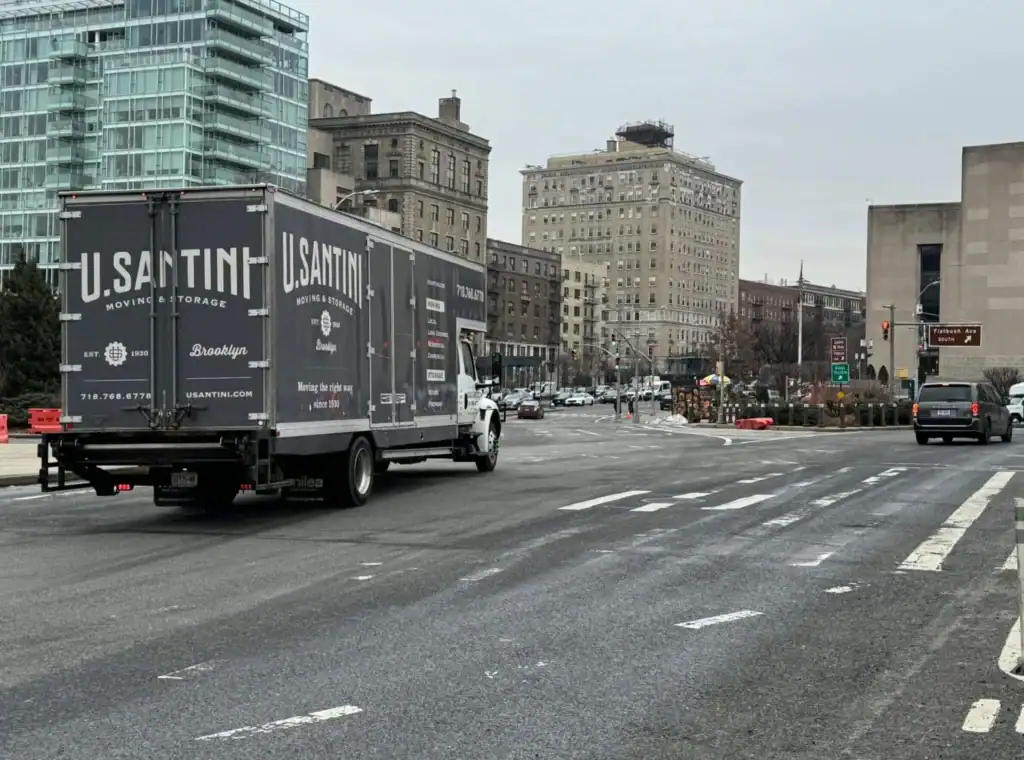
Thinking about living in Brooklyn, NY? Learn what daily life is really like, from neighborhoods to housing realities, and get prepared before you move. Read now and plan smarter.