

What to Expect From Movers on Moving Day in Brooklyn, NY
What should you expect from movers on moving day in Brooklyn, NY? Learn how the day typically unfolds, from arrival to unloading, and prepare properly. Read this guide before your move.
Over 75,000 New Yorkers crossed the Hudson River to New Jersey in 2024 alone, a 12% jump from the previous year. The reasons are consistent: more space, lower housing costs, better schools in many towns, and the ability to keep a meaningful connection to the city without paying Manhattan or Brooklyn prices for every square foot. If you’re planning to make the move across the Hudson, there are things worth understanding about the logistics, the costs, and what life actually looks like on the other side.
This is the detail that catches people off guard most often. The NYC-to-NJ move is technically an interstate relocation because it crosses state lines, even just across the Hudson. That means federal regulations apply, insurance requirements shift, and the pricing structure differs from a standard in-city move. It affects paperwork, pricing, and insurance, even though the physical distance may only be 10 or 15 miles.
For intrastate NYC moves, pricing is hourly. For this move, because it crosses a state line, pricing shifts to a structure based on the weight of your shipment and distance. For interstate moves, a binding or not-to-exceed estimate is the best protection against last-minute price increases, as long as your inventory stays consistent. Make sure the estimate is itemized, packing, stairs, long carry, shuttles, storage, and get the delivery window in writing.
The company you hire must hold active FMCSA authority, a USDOT number and MC number, which you can verify at safer.fmcsa.dot.gov. An NYC mover that only holds state-level DOT licensing is not authorized for this move, regardless of how close New Jersey is.
Most NYC-to-NJ moves range from $800–$2,500 for apartments and up to $4,000 or more for larger homes. For a standard two-to-three bedroom household, full-service quotes generally run from $1,071 to $2,833.
Many NYC apartments require freight elevator reservations and building move-out fees of $200–$500, while New Jersey destinations typically offer easier access. That asymmetry, complex logistics on the NYC side, more accessible conditions in most NJ destinations, means the cost burden is concentrated at your origin address.
Fall and winter offer the best combination of lower moving costs, reduced competition for housing, and cooler weather for the physical moving process. Avoid summer months when both moving companies and rental markets see peak demand and pricing. Mid-month relocations typically cost 10–15% less than month-end moves.
The departure from your NYC address is where most of the complexity lives. NYC buildings typically allow moving only during specific hours, often 9 AM to 5 PM on weekdays. Street parking in Manhattan and Brooklyn often requires reserving a metered spot or a temporary no-parking permit from the city.
Parking logistics in Manhattan require strategy. Sometimes securing permits works, sometimes double-parking legally with hazard lights during allowed hours is the approach. On the New Jersey side, parking is usually easier, but Jersey City and Hoboken can be just as strict as Manhattan about loading zones.
If you’re leaving a co-op building in Brooklyn or a high-rise in Queens, COI requirements and building management sign-off apply exactly as they would for any NYC move. These paperwork steps need to happen before moving day, not on it.
Jersey City is the most popular landing spot for NYC movers, it offers Manhattan-adjacent living with Hudson River views, a thriving restaurant scene, and PATH train access to the World Trade Center in under 10 minutes. Hoboken is a one-square-mile city with a tight-knit community feel, excellent bars and restaurants, and PATH service directly to Midtown and Downtown Manhattan. Montclair is one of the most popular suburban destinations for NYC families, it has excellent public schools, a thriving arts scene, and direct NJ Transit rail service into Penn Station.
The commute question is one every NYC-to-NJ mover needs to answer for their specific situation. The PATH train connects Jersey City, Hoboken, Newark, and Harrison directly to Lower Manhattan and Midtown, fast, frequent, and $2.75 per ride. NJ Transit rail connects dozens of NJ towns to Penn Station. The honest variable is where you work in Manhattan and which NJ town you’re targeting. The commute from Montclair via NJ Transit to Penn Station is around 45–55 minutes depending on the train. From Jersey City to World Trade Center via PATH is under 10 minutes. Know your specific route before choosing a neighborhood.
A few administrative items kick in when you establish New Jersey residency. New Jersey requires new residents to obtain a state driver’s license and vehicle registration within a set timeframe after establishing residency, check current requirements with the New Jersey Motor Vehicle Commission and handle it early to avoid penalties.
Taxes are worth a conversation with a professional during your first year. Depending on where your income is earned, you may have filing obligations in both New York and New Jersey. The interaction between the two states’ tax rules can be complicated, especially for people working hybrid schedules or running a business
You’ll need a car for most of New Jersey outside Hudson County. Budget for vehicle purchase or lease, insurance, registration, and parking. The tradeoff: gas is cheaper in New Jersey, and you’ll never pump it yourself thanks to full-service gas station requirements statewide.
Property taxes in many New Jersey towns can surprise new homeowners, they’re higher than NYC residents typically expect. Do a full budget comparison before signing a lease or buying. The monthly housing cost savings relative to NYC are real, but property tax adds a line item that changes the total equation.
The NYC-to-NJ move rewards people who go in with accurate expectations. The cost savings on housing are genuine. The logistical complexity, driven primarily by the NYC departure side, is manageable with the right mover. The lifestyle adjustment is real but, for most transplants, surprisingly quick.
Working with a moving company that has specific experience with cross-Hudson moves reduces the risk of a costly surprise on move day. Local movers who regularly work both sides of the river understand the documentation requirements, the timing constraints, and the practical realities of both urban and suburban New Jersey deliveries.
U Santini Moving & Storage handles NYC-to-NJ relocations regularly, with the FMCSA licensing, the building paperwork experience, and the cross-Hudson logistics knowledge that makes this specific move go the way it’s supposed to. Get your written, binding estimate based on both addresses before you commit to a date.
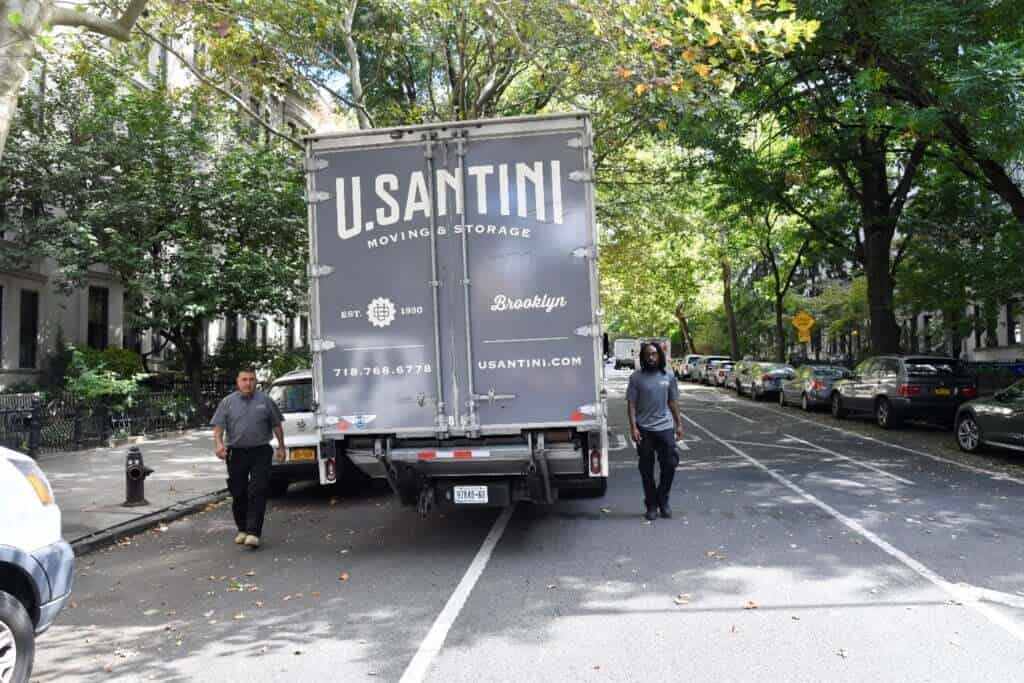
What should you expect from movers on moving day in Brooklyn, NY? Learn how the day typically unfolds, from arrival to unloading, and prepare properly. Read this guide before your move.
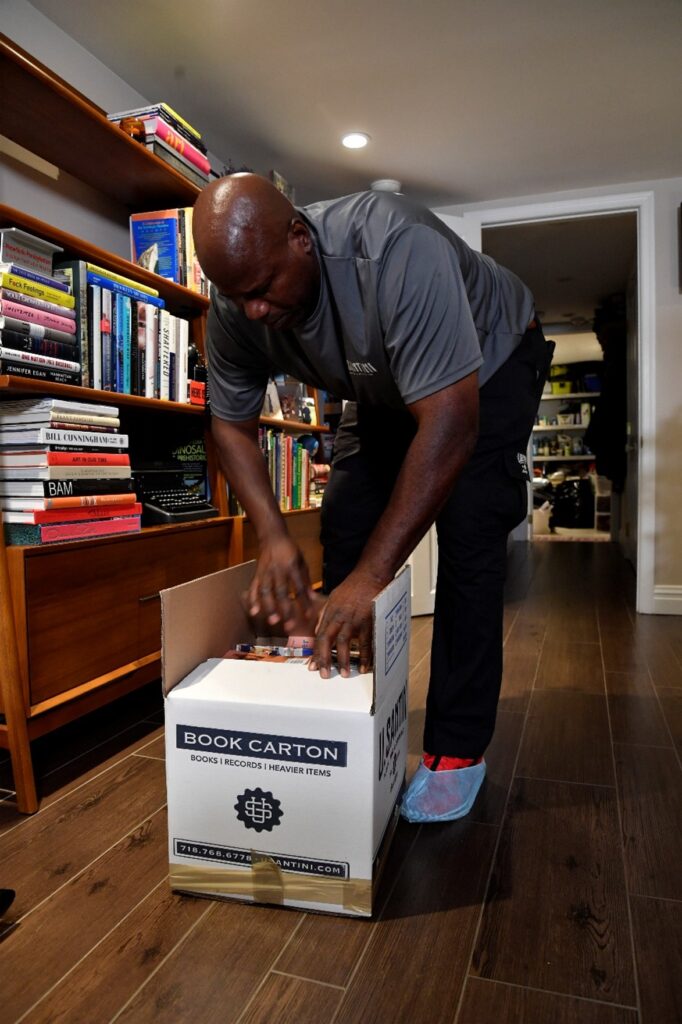
Transform your new Brooklyn house into a home in just 24 hours. U.Santini offers expert tips to create comfort and warmth quickly and easily.
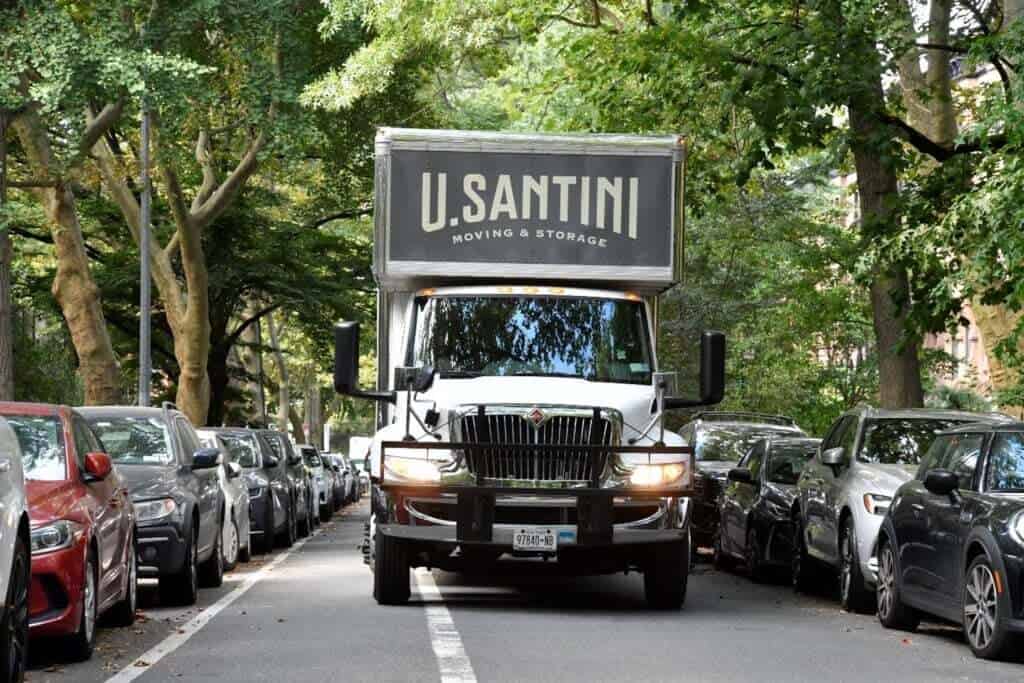
Moving to NYC in your 20s? Find the best neighborhood for your personality with logistics tips from professional NYC movers.